
Minimally Invasive Knee Replacement Surgery
Minimally Invasive Knee Replacement Surgery (MIKRS) in India – Affordable Cost from $3,500 | Advanced Care and Benefits for International Patients
Introduction
This development called MIKRS or Minimally Invasive Knee Replacement Surgery has come like an elixir in a bottle for those in such excruciating agony and hope for a quicker recovery with lesser postoperative pain compared to traditional knee replacement. With world-class hospitals and experienced surgeons, India has today emerged as the most popular destination for patients seeking MIKRS, making quality treatment affordable and accessible.
What is Minimally Invasive Knee Replacement Surgery (MIKRS)?
Minimally Invasive Knee Replacement Surgery, or MIKRS, is the newest form of technique invented for replacing any diseased portion of the knee joint through much smaller incisions. Compared with traditional techniques having a larger incision, the current MIKRS involves relatively small cuts hence maintaining nearly all the peripheral muscles and soft tissues around. As a result, patients who undergo this have minimal pain after the surgery and shorter recoveries and can also stay much shorter in hospitals as the patients are normally out quicker to resume activities.
Types of Minimally Invasive Knee Replacement Surgery
- Unicompartmental Knee Replacement: Only the damaged compartment of the knee is replaced, ideal for patients with partial arthritis.
- Bicompartmental Knee Replacement: Two compartments of the knee are replaced while preserving the healthy parts, offering a more conservative approach.
- Total Knee Replacement (TKR): Involves replacing the entire knee joint; MIKRS techniques can make this process less invasive with faster recovery times.
- Robotic-Assisted MIKRS: This approach uses robotic systems to increase the precision of the implant positioning, making it ideal for complex cases.
Pathophysiology/Causes/Need for Surgery
Several factors can lead to knee joint degeneration, including:
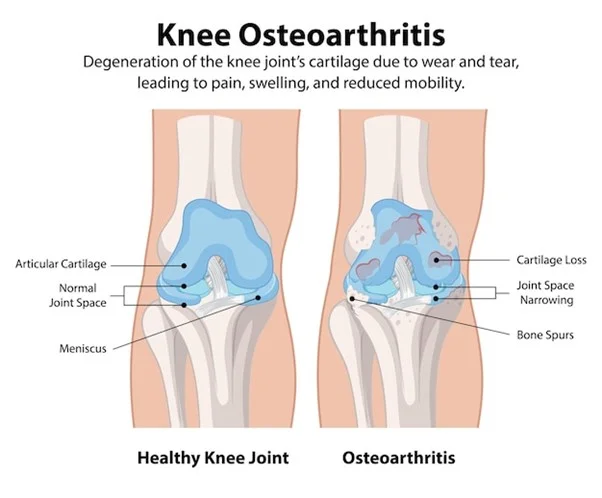
- Osteoarthritis: The most common cause, osteoarthritis wears down cartilage over time, leading to joint pain and stiffness.
- Rheumatoid Arthritis: An autoimmune disorder where the immune system attacks joint linings, leading to chronic inflammation.
- Trauma/Injury: Fractures or ligament injuries can damage the knee structure, increasing the risk of arthritis and pain.
- Obesity and Age: Both are risk factors that increase wear and tear on the knee joints over time.
When conservative treatments like medications and physical therapy fail to alleviate pain, MIKRS becomes a viable solution for long-lasting relief.
Symptoms
Common symptoms indicating the need for MIKRS include:
- Persistent knee pain despite medication and physiotherapy
- Limited range of motion in the knee
- Knee instability or giving way
- Difficulty with routine activities, such as walking or climbing stairs
- Knee swelling or deformity
Signs and Symptoms
Specific signs and diagnostic indicators include:
- Joint Stiffness: Especially pronounced in the morning or after periods of inactivity.
- Swelling and Redness: Inflammation around the knee joint, sometimes with warmth.
- Bone Spurs: Commonly seen in arthritis, bone spurs may be visible on X-rays and can restrict movement.
- Grinding Sensation: A feeling of bone rubbing against bone during movement.
Surgery Procedure: Pre and Post
Pre-Operative Preparations:
- Medical Evaluation: Includes a full physical examination and imaging tests like X-rays or MRI.
- Physical Conditioning: Patients are encouraged to strengthen surrounding muscles.
- Medication Adjustment: Certain medications, especially blood thinners, may need to be paused.
- Pre-Surgery Guidance: Information on post-surgery care and recovery timelines.
Surgical Procedure:
- Anesthesia: Administered based on patient preference (general or spinal).
- Incision: Small incisions are made to access the joint, reducing muscle disruption.
- Implant Placement: Damaged parts are removed, and implants are fitted with precision.
- Closure: The incisions are closed with minimal suturing, further aiding recovery.
Post-Operative Care:
- Physical Therapy: Starts within 24 hours to restore mobility.
- Medication for Pain Management: Prescribed to manage postoperative pain.
- Follow-Up: Regular check-ups ensure optimal recovery, and full activity is usually resumed within a few months.
Risks and Complications
Although MIKRS has a high success rate, some risks include:
- Infection at the incision site
- Blood clots in the legs or lungs
- Nerve or blood vessel damage
- Implant loosening or wear over time
- Allergic reactions to the implant materials
Factors Affecting Cost
The cost of MIKRS in India varies based on:
- Type of Procedure: Unicompartmental, bicompartmental, or total replacement can influence costs.
- Hospital Location and Accreditation: Hospitals in metropolitan areas may charge more.
- Surgeon’s Expertise: Highly experienced surgeons may charge higher fees.
- Length of Hospital Stay: Costs increase with longer recovery periods.
- Implant Material: Premium materials, such as titanium or ceramic, may increase the cost.
Price Comparison Across Countries
| Country | Approximate Cost (USD) |
|---|---|
| India | $3,500 - $6,500 |
| USA | $40,000 - $50,000 |
| UK | $15,000 - $20,000 |
| Australia | $14,000 - $18,000 |
| Thailand | $8,000 - $12,000 |
| South Korea | $10,000 - $15,000 |
| Singapore | $12,000 - $18,000 |
| UAE | $12,000 - $16,000 |
| Turkey | $6,500 - $8,500 |
| Mexico | $7,000 - $10,000 |
India offers a competitive advantage in terms of cost without compromising on quality, making it a top destination for international patients seeking affordable yet high-quality MIKRS.
Doctors and Hospitals: Choosing the Right Provider
Choosing the right healthcare provider is crucial. Factors to consider:
- Certification and Accreditation: Look for hospitals accredited by NABH or JCI.
- Surgeon expertise: orthopedic surgeons with extensive experience in MIKRS are preferred.
- Hospital Reputation: hospitals with a history of successful outcomes in knee replacements.
- Facilities: Ensure the hospital has modern technology and facilities to support complex surgeries.
Patient Support
International patients traveling to India for MIKRS benefit from comprehensive support services, including:
- Visa Assistance: Guidance through the medical visa application process.
- Travel Arrangements: Booking flights and arranging airport pickups.
- Accommodation: Options near hospitals for convenient access.
- Local Transport: Assistance with in-country transport for appointments.
- Sightseeing Opportunities: Recommendations for exploring India during recovery.
Conclusion
Minimally Invasive Knee Replacement Surgery in India combines cost-effectiveness with advanced medical care, allowing patients worldwide to regain mobility and lead pain-free lives. With skilled surgeons, advanced facilities, and extensive patient support services, India has solidified its place as a preferred destination for knee replacement surgeries. For more information and to schedule a consultation, reach out to a qualified medical tourism provider.
Frequently Asked Questions
Recovery varies but typically spans 6–12 weeks for a return to normal activities.
Not all patients qualify; candidates are usually younger, active individuals with localized knee issues
India boasts a high success rate, averaging around 90-95%, owing to advanced techniques and experienced surgeons.
Patients can travel short distances within a few weeks, but long-haul travel should be avoided for 4-6 weeks.
Look for board-certified orthopedic surgeons with extensive experience in MIKRS and positive patient reviews.
Many international insurance plans cover surgeries abroad, but it’s essential to confirm with your provider.
For any additional queries or detailed support, consult an expert at Sefiroth Tour Medica today.
Surgical Procedures
Recovery varies but typically spans 6–12 weeks for a return to normal activities.
Not all patients qualify; candidates are usually younger, active individuals with localized knee issues
India boasts a high success rate, averaging around 90-95%, owing to advanced techniques and experienced surgeons.
Patients can travel short distances within a few weeks, but long-haul travel should be avoided for 4-6 weeks.
Look for board-certified orthopedic surgeons with extensive experience in MIKRS and positive patient reviews.
Many international insurance plans cover surgeries abroad, but it’s essential to confirm with your provider.
For any additional queries or detailed support, consult an expert at Sefiroth Tour Medica today.