
Ankle Joint Replacement Surgery
Ankle Joint Replacement Surgery in India | Costs Starting from $5,000 USD

Introduction
Ankle joint replacement surgery, also known as ankle arthroplasty, is a surgical procedure aimed at relieving pain and restoring mobility for individuals suffering from severe ankle arthritis or injury. With advancements in medical technology and expertise, India has emerged as a leading destination for affordable and high-quality ankle joint replacement surgeries. This procedure is a viable solution for those looking to regain their mobility and live a pain-free life. Offering world-class orthopedic care, India provides excellent medical tourism services, making it a popular choice for international patients.
What is Ankle Joint Replacement Surgery?
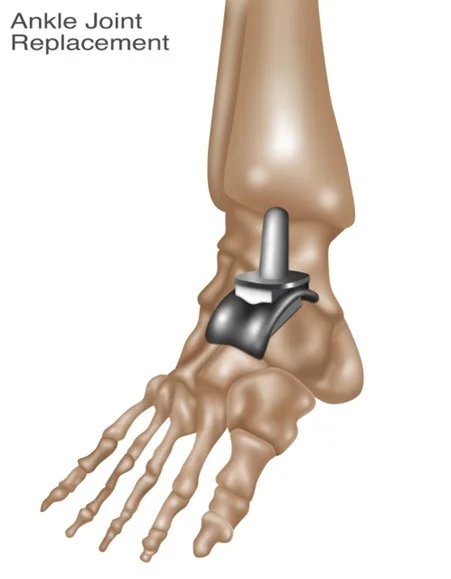
Ankle joint replacement surgery is a procedure that involves removing a damaged ankle joint and replacing it with a prosthetic implant. The surgery is primarily recommended for patients suffering from advanced arthritis, trauma, or other degenerative joint conditions. The goal of the surgery is to reduce pain and improve the range of motion in the ankle. Unlike ankle fusion, which limits mobility, ankle joint replacement aims to preserve the natural movement of the ankle.
Types of Ankle Joint Replacement Surgery
There are primarily two types of ankle joint replacement surgeries, each tailored to the patient’s specific condition:
- Total Ankle Replacement (TAR):
In this type, the damaged portions of the tibia and talus bones are removed and replaced with a metal and plastic prosthesis. TAR is designed to mimic the natural movement of the ankle and is commonly recommended for patients with advanced arthritis. - Partial Ankle Replacement:
This procedure involves replacing only a portion of the ankle joint, often used when the damage is confined to a specific area. It’s less invasive than total replacement but is only suitable for certain cases.
Pathophysiology/Causes/Need for Surgery
The primary reason for ankle joint replacement surgery is arthritis, specifically osteoarthritis, rheumatoid arthritis, or post-traumatic arthritis. These conditions cause the cartilage in the ankle joint to wear away, leading to bone-on-bone contact, severe pain, and limited mobility. Injury, such as fractures or sprains, can also damage the joint and eventually lead to arthritis. When non-surgical treatments like medications, physical therapy, or corticosteroid injections no longer provide relief, ankle replacement surgery becomes necessary.
Symptoms of Ankle Arthritis
Patients suffering from ankle arthritis or joint damage typically experience the following symptoms:
- Persistent pain in the ankle, especially when walking or standing
- Swelling around the joint
- Stiffness and reduced range of motion
- Difficulty performing everyday activities such as walking, climbing stairs, or standing for long periods
- Joint instability or the sensation of the ankle “giving way”
Signs and Symptoms Requiring Medical Advice
- Severe pain unrelieved by over-the-counter medications
- Visible deformity in the ankle joint
- Sudden swelling or redness around the joint
- Pain that worsens at night or during rest periods
- Difficulty bearing weight on the affected ankle
Ankle Joint Replacement Surgery Procedure: Pre- and Post operative Care
Pre-operative Preparations:
Before the surgery, the patient undergoes a thorough evaluation, including X-rays, MRI scans, and blood tests. Patients are advised to stop certain medications, and smoking cessation is highly recommended to promote better healing. The surgeon will discuss the details of the procedure, recovery expectations, and potential risks.
Surgical Procedure:
- Anesthesia: The patient is administered general or regional anesthesia.
- Incision: A small incision is made over the ankle joint to access the damaged area.
- Removal of Damaged Tissue: The damaged cartilage and bone are removed from the tibia and talus.
- Implant Insertion: A prosthetic implant made of metal and plastic is positioned to replace the damaged joint.
- Closure: The incision is sutured, and a bandage is applied. The patient may be placed in a temporary splint or cast.
Post-operative Care:
- Hospital Stay: Patients typically stay in the hospital for 2-3 days.
- Physical Therapy: Rehabilitation starts soon after surgery to restore movement and strength.
- Follow-up Appointments: Regular check-ups are scheduled to monitor the healing process and implant functionality.
- Mobility: Full recovery may take up to 6 months, with gradual improvement in pain and mobility.
Risks and Complications
While ankle joint replacement surgery has a high success rate, it does come with potential risks:
- Infection at the surgical site
- Blood clots
- Implant loosening or failure
- Nerve damage
- Post-operative stiffness or limited range of motion
- Delayed wound healing
Factors Affecting the Cost of Ankle Joint Replacement Surgery in India
Several factors can influence the cost of ankle joint replacement surgery, including:
- Type of procedure (Total or Partial): Total ankle replacement tends to be more expensive than partial.
- Choice of hospital and surgeon: Fees can vary depending on the hospital’s reputation and the surgeon’s expertise.
- Location: Cities like Delhi, Mumbai, and Bangalore may have higher costs compared to smaller cities.
- Hospital stay and rehabilitation: The length of the hospital stay and post-operative rehabilitation services can affect the total cost.
- Implant type: The quality and type of implant used also play a significant role in cost variation.
Price Comparison Across Countries
| Country | Approximate Cost (USD) |
|---|---|
| India | $5,000 - $7,000 |
| USA | $20,000 - $30,000 |
| UK | $15,000 - $25,000 |
| Singapore | $12,000 - $18,000 |
| Thailand | $7,000 - $9,000 |
India offers a unique combination of high-quality healthcare at significantly lower costs compared to Western countries, making it an attractive option for medical tourists.
Doctors and Hospitals for Ankle Joint Replacement in India
Choosing the right hospital and surgeon is crucial for a successful ankle joint replacement. Here are key factors to consider:
- Experience of the surgeon: Look for board-certified orthopedic surgeons with specialized training in joint replacement.
- Hospital accreditation: Hospitals accredited by NABH or JCI provide world-class care.
- Patient reviews and success rates: Look for hospitals with high patient satisfaction and success rates for joint replacement surgeries.
Some of the top hospitals in India for ankle joint replacement surgery include Apollo Hospitals, Fortis Healthcare, and Manipal Hospitals, where experienced orthopedic surgeons use cutting-edge technology to perform successful joint replacements.
Patient Support Services
India offers a comprehensive range of support services for international patients seeking ankle joint replacement surgery, including:
- Visa Assistance: Help with medical visa applications for patients and their attendants.
- Travel Arrangements: Assistance with flight bookings and airport pickups.
- Accommodation: Support in finding affordable accommodation near the hospital.
- Local Transport: Arrangements for local transportation to and from the hospital.
- Sightseeing: Optional tours for patients and their families to explore local attractions during recovery.
Conclusion
Ankle joint replacement surgery in India provides an excellent option for those seeking affordable, high-quality orthopedic care. With advanced medical facilities, expert surgeons, and comprehensive patient support services, India offers a holistic medical tourism experience. If you’re suffering from ankle arthritis or joint damage, consider consulting with one of the many renowned orthopedic surgeons in India to explore your treatment options.
Frequently Asked Questions
Recovery usually takes 3 to 6 months, depending on the patient’s health and adherence to post-operative rehabilitation.
While there may be some postoperative discomfort, pain management techniques are used to ensure a smooth recovery.
Ankle implants can last 10 to 15 years or longer, depending on the patient’s activity level and lifestyle.
Alternatives include ankle fusion surgery or non-surgical treatments such as physical therapy, medications, or injections. However, ankle replacement is the only option that preserves joint movement.
For further inquiries, please contact Sephiroth Tour Medica to schedule a consultation with one of our experts.
Surgical Procedures
Recovery usually takes 3 to 6 months, depending on the complexity of the surgery and adherence to physical therapy.
The surgery is performed under anesthesia, so patients do not feel pain during the procedure. Pain management strategies are used to minimize discomfort during recovery.
Hand joint implants typically last 10-20 years, depending on the patient’s activity level and the type of implant used.
For more information on Hand Joint Replacement Surgery in India, contact Sephiroth Tour Medica for a consultation.